
 By
By 
In the world of architectural design and home improvement, few elements strike the perfect balance between form and function quite like windows with bars—known in Swedish as fönster med spröjs. These elegant features have graced homes for centuries, combining aesthetic charm with enhanced security and structural integrity. Whether you’re renovating a historic property, building a new home, or simply looking to elevate your curb appeal, fönster med spröjs offer a unique fusion of tradition and modern practicality.
This comprehensive guide explores everything you need to know about fönster med spröjs, from their historical roots and design variations to the benefits they offer in contemporary architecture. We’ll also discuss installation considerations, material options, and how these windows can boost both the safety and visual appeal of your property.
What Are Fönster med Spröjs?
The term fönster med spröjs translates to “windows with bars” or “windows with muntins” in English. The word spröjs refers to the vertical or horizontal bars that divide a window pane into smaller sections, creating a distinctive grid-like pattern. These bars can be functional (structural muntins) or decorative (simulated muntins), depending on the window design and era.
Historically, fönster med spröjs were a necessity rather than a luxury. In medieval and early modern Europe, glass production was limited, and large panes were difficult to manufacture. To compensate, builders used smaller glass panes held together by wooden or metal frames—hence the birth of the muntin. Over time, as glass-making technology improved, the need for structural muntins diminished, but the aesthetic appeal endured. Today, fönster med spröjs are primarily used for decorative and stylistic purposes, though they still offer several practical advantages.
The Historical Significance of Fönster med Spröjs
The use of fönster med spröjs dates back to the Middle Ages, particularly in Scandinavian, German, and British architecture. In Sweden, these windows became a hallmark of traditional farmhouses, manors, and churches. The design was not only functional but also symbolic—reflecting craftsmanship, attention to detail, and a connection to nature through the geometric patterns that often mimicked natural forms.
During the 17th and 18th centuries, fönster med spröjs evolved into more intricate designs, especially in Baroque and Rococo architecture. The patterns became more elaborate, with curved lines, floral motifs, and ornate ironwork. In urban settings, wrought iron bars were sometimes added to the exterior for added security, blending protection with elegance.
Even in the 20th century, during the rise of modernist architecture, the minimalist aesthetic pushed fönster med spröjs into the background. However, with the resurgence of interest in traditional and cottage-style homes, these windows have made a strong comeback—especially in regions like Sweden, where heritage and craftsmanship are highly valued.
Types of Fönster med Spröjs
Not all fönster med spröjs are created equal. There are several types, each offering different visual effects and functional benefits:
1. True Divided Lites (TDL)
In this traditional style, each glass pane is separated by actual muntins, creating a truly divided window. TDL windows are often found in historic homes and high-end custom builds. They offer an authentic look but can be more expensive due to the labor-intensive construction.
2. Simulated Divided Lites (SDL)
More common in modern installations, SDL windows use a single large pane of glass with muntin bars attached on the interior and/or exterior surfaces. This creates the appearance of multiple panes without the maintenance or cost of true divided lites. It’s a popular choice for homeowners seeking the fönster med spröjs aesthetic with improved energy efficiency.
3. Grille Between Glass (GBG)
In this design, the muntin bars are sealed between two panes of insulated glass. This offers a clean look with no external bars to clean, making it ideal for low-maintenance homes. However, the depth and shadow effect are less pronounced than with SDL or TDL options.
4. Exterior Security Bars
While not always decorative, some fönster med spröjs incorporate metal bars on the outside for security purposes. These are common in urban areas or on ground-floor windows. When designed thoughtfully, they can complement the architectural style rather than detract from it.
Design Patterns and Aesthetic Appeal
One of the most compelling reasons to choose fönster med spröjs is their visual versatility. The pattern of the bars can dramatically influence the character of a building. Common designs include:
- Colonial Grid: Simple vertical and horizontal bars creating a 6-over-6 or 9-over-9 pane layout. This is a classic look often seen in Swedish country homes.
- Georgian Style: Characterized by large windows with multiple small panes across the top sash, often in a 6-over-1 or 8-over-1 configuration.
- Gothic Arches: Pointed arches with vertical muntins, popular in churches and historic buildings.
- Art Nouveau: Flowing, organic lines with asymmetrical spröjs patterns, often combined with stained glass.
- Scandinavian Simplicity: Clean lines, minimal ornamentation, and a focus on natural light—perfect for modern interpretations of fönster med spröjs.
When choosing a pattern, consider the architectural style of your home. A timber cottage in the Swedish countryside might benefit from a traditional 6-over-6 grid, while a contemporary urban apartment could opt for a sleek, minimalist grille design.
Benefits of Fönster med Spröjs
Beyond their undeniable charm, fönster med spröjs offer several practical advantages:
1. Enhanced Security
While modern glass is strong, the addition of muntins or security bars can deter break-ins. Intruders find it harder to break through multiple panes or reinforced frames. Exterior metal spröjs act as a physical barrier, especially on ground-floor windows.
2. Improved Energy Efficiency (with Modern Glazing)
Contrary to popular belief, modern fönster med spröjs can be highly energy-efficient. When combined with double or triple glazing and low-E coatings, these windows help maintain indoor temperatures, reduce drafts, and lower heating and cooling costs.
3. Increased Property Value
Homes with well-designed fönster med spröjs often command higher resale values. The timeless appeal and craftsmanship signal quality and attention to detail, which are attractive to buyers.
4. Better Light Control and Privacy
Smaller panes can diffuse light more evenly, reducing glare and creating a softer ambiance indoors. In some cases, frosted or textured glass can be used within the spröjs for added privacy without sacrificing style.
5. Noise Reduction
Multi-pane windows with insulated glazing units (IGUs) help dampen external noise, making fönster med spröjs ideal for homes near busy streets or in urban environments.
6. Heritage and Cultural Authenticity
For homeowners restoring historic buildings or building in traditional styles, fönster med spröjs are essential for maintaining architectural integrity. They preserve the character of the neighborhood and honor local building traditions.
Materials Used in Fönster med Spröjs
The choice of materials significantly impacts the durability, maintenance, and appearance of fönster med spröjs. Common options include:
- Wood: The most traditional material, wood offers warmth and authenticity. It’s ideal for historic restorations but requires regular maintenance to prevent rot and warping.
- uPVC (Vinyl): Low-maintenance and cost-effective, uPVC windows with spröjs are popular in modern homes. They mimic the look of wood but resist weathering and require minimal upkeep.
- Aluminum: Lightweight and strong, aluminum is often used for exterior security bars or minimalist grille designs. It’s corrosion-resistant and ideal for contemporary architecture.
- Composite Materials: Combining the best of wood and synthetic materials, composites offer durability with a natural appearance. They are increasingly used in high-end fönster med spröjs installations.
When selecting materials, consider your climate, budget, and desired aesthetic. For example, wooden fönster med spröjs may be perfect for a lakeside cabin in Dalarna, while aluminum grilles might suit a modern apartment in Stockholm.
Installation and Maintenance Tips
Installing fönster med spröjs requires precision and expertise. Here are some key considerations:
- Professional Installation: Due to the complexity of multi-pane windows and the need for proper sealing, always hire a certified window installer.
- Weatherproofing: Ensure that joints and seals are properly insulated to prevent air and water leakage.
- Maintenance: Wooden frames should be repainted or stained every few years. uPVC and aluminum require only occasional cleaning with soapy water.
- Glazing Options: Consider argon-filled double glazing for improved insulation and noise reduction.
- Ventilation: Some fönster med spröjs designs limit the size of operable panes. Ensure adequate ventilation, especially in kitchens and bathrooms.
Regular inspection of muntins and seals will extend the life of your windows and maintain their performance.
Fönster med Spröjs in Modern Architecture
While often associated with historic homes, fönster med spröjs are increasingly popular in contemporary design. Architects are reinterpreting the concept with clean lines, minimalist grilles, and innovative materials. For example:
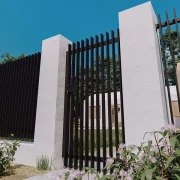
- Black Metal Spröjs: A bold, modern twist that contrasts beautifully with white or light-colored facades.
- Floor-to-Ceiling Windows with Subtle Grilles: These combine expansive views with the elegance of divided lites.
- Custom Patterns: Homeowners can now design personalized spröjs layouts, incorporating family crests, geometric art, or symbolic motifs.
In urban settings, fönster med spröjs help break up large glass surfaces, reducing glare and improving thermal performance. They also add a human scale to otherwise monolithic buildings.
Choosing the Right Fönster med Spröjs for Your Home
When selecting fönster med spröjs, keep the following in mind:
- Architectural Style: Match the window design to your home’s era and aesthetic.
- Climate: In colder regions like northern Sweden, prioritize insulation and durability.
- Budget: True divided lites are more expensive than simulated options.
- Security Needs: Consider reinforced glass or exterior bars if safety is a concern.
- Local Regulations: Some historic districts have strict guidelines on window styles.
Consult with a design expert or architect to ensure your fönster med spröjs enhance both the beauty and functionality of your space.
Conclusion: The Enduring Appeal of Fönster med Spröjs
Fönster med spröjs are more than just a design trend—they are a testament to the enduring value of craftsmanship, security, and timeless beauty. Whether you’re drawn to the rustic charm of a wooden cottage window or the sleek sophistication of a modern grille, these windows offer a unique way to personalize your home.
From their historical roots in Scandinavian architecture to their modern reinterpretations in urban design, fönster med spröjs continue to captivate homeowners and architects alike. They blend tradition with innovation, offering both aesthetic pleasure and practical benefits.
If you’re considering upgrading your windows, don’t overlook the charm and functionality of fönster med spröjs. With the right design, materials, and installation, they can transform your home into a sanctuary of style, safety, and heritage.




Comments